Key Takeaways
- Understand the average long distance moving cost 2026, including FMCSA guidelines, binding quotes, and how to avoid rogue mover scams during your cross-country relocation.
- Key topic: average long distance moving cost 2026
- Key topic: cross-country move cost
- Key topic: avoiding moving scams
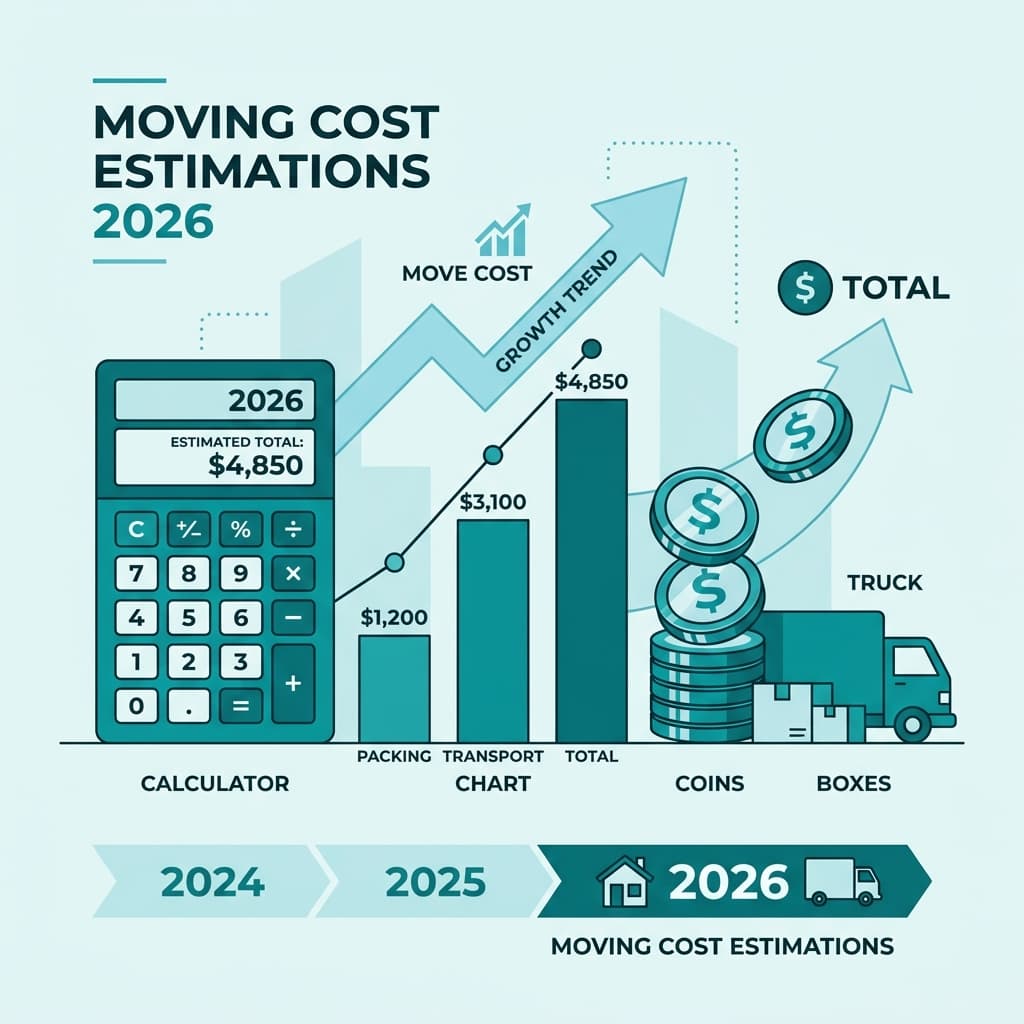
On average, a cross-country move in 2026 costs between $4,500 and $9,000, depending primarily on shipment weight, total mileage, and choice of service. For a standard three-bedroom home, expect total pricing to range from $6,500 to $11,500 when hiring a fully licensed, professional interstate moving carrier for your upcoming relocation.
Relocating across state lines represents a major financial milestone and a complex logistical challenge for any household. As you map out your upcoming relocation budget, obtaining a precise understanding of the average long distance moving cost 2026 is critical to prevent unexpected expenses and high-pressure situations on moving day. The interstate moving marketplace has changed, and current pricing reflects recent adjustments in labor costs, fuel surcharges, and regulatory compliance protocols. Safely navigating this landscape requires more than just gathering cost estimates; it demands a thorough understanding of the federal rules protecting consumers during successful interstate relocations from start to finish.
How Interstate Moving Costs are Calculated
When you begin searching for a reputable long distance moving company near me, it is vital to know how legitimate interstate carriers structure their estimates. Unlike local moves that are billed at hourly rates, interstate moves are priced based on weight and distance. Licensed carriers are required to weigh their trucks at certified truck scales before loading your household goods, establishing the tare weight. Once loaded, the truck is weighed again to find the gross weight. The difference determines the actual net weight of your shipment. Professional carriers must provide you with copies of these official scale tickets to verify the weight. In addition to weight-based transport charges, your estimate will include fuel surcharges, which fluctuate based on national diesel price indexes, and basic labor rates for loading and unloading. Asking for a detailed breakdown ensures you receive a clear, legally compliant cost estimate.
The Red Flags of Cubic Feet Pricing
One of the most common traps in the moving industry involves brokers quoting relocation prices based on cubic feet rather than weight. Under federal guidelines, interstate moves must be priced by weight, not volume, to prevent arbitrary price gouging. Predatory brokers often use volume-based pricing to deceive consumers because it is easy to manipulate. They pack the moving truck loosely, leaving empty spaces, and then claim your inventory exceeded the estimated volume to demand extra fees. Knowing how to recognize these tactics is key to protecting yourself from rogue companies. If a company refuses to offer a weight-based quote or insists on measuring your shipment in cubic feet, you should immediately walk away. Reliable carriers always calculate costs using certified weight metrics, ensuring transparency. Identifying this major pricing red flag will save you from common industry scams and help you secure a fair relocation contract.
Vetting Active Credentials and Cargo Minimums
Under the strict Movers To Trust safety guidelines, verifying credentials is non-negotiable. Before you hire any carrier, you must run a comprehensive FMCSA safety check to verify their active operating authority and registration status. The Federal Motor Carrier Safety Administration database tracks safety violations and licensing data. Any legitimate long-distance mover must display an active USDOT number and an MC number. Furthermore, the carrier must carry public liability coverage and cargo liability insurance. To protect consumers, our standard requires that verified moving companies meet the federal cargo liability minimum ($750,000 baseline) to ensure households are covered in case of a catastrophic loss. Vetting these compliance records is the single best way to avoid moving scams and partner with a fully insured carrier. Never trust a company that refuses to share their USDOT details, and always verify their active insurance policies on the SAFER database portal.
Binding vs. Non-Binding Estimates
Understanding the difference between binding and non-binding estimates is another crucial element in preventing carrier fraud. A binding estimate is a written agreement guaranteeing that the final price will match the quote, provided your inventory does not change. If the actual weight exceeds the estimate, the mover must honor the contracted price. In contrast, a non-binding estimate is only an approximation. The final cost is calculated after the moving truck is weighed. Rogue operators often use lowball non-binding estimates to secure your business, only to increase the price significantly on delivery. Knowing how these quotes operate will help you calculate the genuine average long distance moving cost 2026 for your specific relocation. Before signing any contract, make sure to read [moving contract red flags](/blog/moving-contract-red-flags) to identify suspicious clauses. Ensuring your estimate is in writing protects you from unexpected price hikes during delivery.
Planning for Accessorial Fees and Valuation Options
Beyond the baseline transport rate, consumers must plan for accessorial fees that movers are legally permitted to charge. These services are detailed in the carrier’s tariff sheet and include shuttle services for narrow streets, long carry fees, and storage-in-transit if your new residence is not ready. Additionally, you must choose your valuation coverage. While Released Value Protection is free, it only covers sixty cents per pound per article, leaving you underinsured. For complete peace of mind, upgrading to Full Value Protection is highly recommended. Under this coverage, the mover is liable for the replacement value of any lost or damaged items, though this will increase the initial quote. Factoring these potential fees and valuation choices into your budget is crucial to understanding the total cost of relocation. Being proactive about accessorial fees prevents surprises, allowing you to manage your budget and ensure a smooth cross-country moving experience.
Final Safeguards for a Secure Relocation
Vetting your carrier is the single most critical step in executing a successful cross-country relocation. By running safety checks, checking insurance minimums, and securing binding written estimates, you can protect your household goods and enjoy a smooth transition. Do not leave your belongings to chance in a crowded digital marketplace filled with unverified brokers and rogue companies. Take complete control of your relocation, utilize resources to find compliant movers, and [verify your mover today](https://moverstotrust.com) to guarantee a secure, compliant, and professional relocation experience. Safe moving starts with verified credentials, and doing your research before signing a contract is the absolute best protection against industry fraud. Protect your family's investment, hold carriers to the highest regulatory standards, and enjoy the peace of mind that comes with knowing your chosen company is fully licensed, properly insured, and completely verified by industry professionals.
Did you find this guide helpful?
Share it to help others verify credentials and avoid rogue mover scams.
Verified Sources & Citations
In alignment with Google's E-E-A-T and Search Quality guidelines, this article cites the following verified authority sources: