Key Takeaways
- Discover how rogue moving fleets shut down by the DOT exploit regulatory gaps to reincarnate under new names, and how to spot them.
- Key topic: chameleon movers
- Key topic: rogue moving fleets
- Key topic: FMCSA carrier vetting
How do rogue moving fleets shut down by the Department of Transportation (DOT) continue to operate and exploit unsuspecting consumers? They do so by executing a deceptive maneuver known as 'chameleon carrier' reincarnation—rapidly dissolving their blacklisted business entities and registering new LLCs with fresh USDOT numbers, new names, and clean records to evade federal enforcement. This regulatory sleight of hand allows the same predatory operators, using the same trucks and offices, to resume bait-and-switch pricing and hostage-goods scams the very next day. At Movers To Trust, our mission is to peel back these layers of corporate deception and arm consumers with the data necessary to avoid these dangerous, reincarnated fleets.
The Anatomy of a Chameleon Carrier Rebirth
To understand how these rogue fleets persist, one must look at the administrative workflow of interstate moving registration. The Federal Motor Carrier Safety Administration (FMCSA) is tasked with monitoring hundreds of thousands of active carriers. When a carrier is flagged for severe violations—such as extorting customers, operating unsafe vehicles, or failing to maintain proper cargo liability insurance—the FMCSA issues an Out-of-Service Order (OOSO).
In a healthy regulatory environment, an OOSO would mark the end of the line for a predatory mover. However, rogue operators have turned corporate shell games into a science. Within days of a shutdown order, the owners will register a new limited liability company (LLC) using a different address, a virtual mailbox, or a relative's name. They submit a new application for operating authority, pay the nominal filing fee, and receive a new USDOT number.
Because the FMCSA's screening systems have historically struggled to connect the dots between newly registered entities and banned individuals, these "chameleon movers" slip through the cracks. The physical trucks receive a new vinyl decal, the website gets a quick logo swap, and the predatory cycle begins anew.
The Cost of Regulatory Gaps
The financial and emotional toll on consumers is staggering. According to historical data from the National Consumer Complaint Database (NCCDB), thousands of families report hostage-goods situations every year. In these scenarios, a mover loads a customer's entire life into a truck, only to demand thousands of dollars in cash above the original estimate before unloading.
When the DOT shuts down a fleet for these practices, consumer advocacy groups celebrate. Yet, the celebration is short-lived. By operating under a new name, the chameleon carrier leaves behind its trail of lawsuits, negative Better Business Bureau (BBB) ratings, and bad Yelp reviews. Consumers looking up the new name see a "new business" with no negative history, unaware they are hiring the exact same individuals who were legally barred from the industry just weeks prior.
How to Spot a Chameleon Carrier in the Wild
Detecting these reincarnated fleets requires moving beyond surface-level reviews and digging into federal registration data. Here are the key indicators our analyst team searches for:
- Short Operating History Combined with High Fleet Assets: If a moving company claims decades of experience on their website but their USDOT registration is less than a year old, they may be a reincarnated carrier.
- Shared Physical or Virtual Addresses: Chameleon carriers frequently reuse warehouses, offices, or virtual mailboxes. Cross-referencing an address often reveals several other moving companies that have been shut down or had their authority revoked at that same location.
- Rapid Ownership and Officer Shifts: When a carrier is audited, owners often transfer assets to a spouse, child, or key employee to register the new entity. Checking corporate registration filings can reveal these familial or professional links.
- Mismatched Contact Information: Many chameleon companies forget to update all their digital footprints. Phone numbers, email addresses, or website templates are often recycled directly from the defunct entity.
Technology and Vetting: Building the 'Chameleon Carrier' Watch List
Because traditional background checks fail to catch these sophisticated identity shifts, Movers To Trust has developed a proactive vetting framework. We don't just check if a USDOT number is active; we perform deep-link regulatory analytics.
Our system cross-references multiple data points, including phone number registries, physical address clusters, truck VIN ownership, and corporate filing history. By utilizing machine learning algorithms, we identify patterns of correlation that suggest a newly registered company is actually a reincarnation of a revoked carrier.
If a company triggers these alerts, they are placed on our internal Chameleon Carrier Watch List and immediately barred from our platform. We believe that technology is the only way to level the playing field against these rogue operators.
Verify Your Carrier Today
Before scheduling your move, make sure to cross-reference your carrier on the [Movers To Trust Homepage](https://moverstotrust.com). Vetting active USDOT registration records and FMCSA complaint histories is the single most effective way to avoid moving scams and ensure interstate moving safety. Only hire verified moving companies to handle your household belongings.
Protecting Your Move
Ultimately, the battle against chameleon carriers requires a combination of federal enforcement and consumer vigilance. Until regulatory loopholes are completely closed, verifying your mover through a dedicated compliance platform is the safest way to ensure your belongings are in honest hands. By checking the Movers To Trust database, you can verify that your chosen carrier has been vetted past the surface level, ensuring a safe and transparent moving experience.
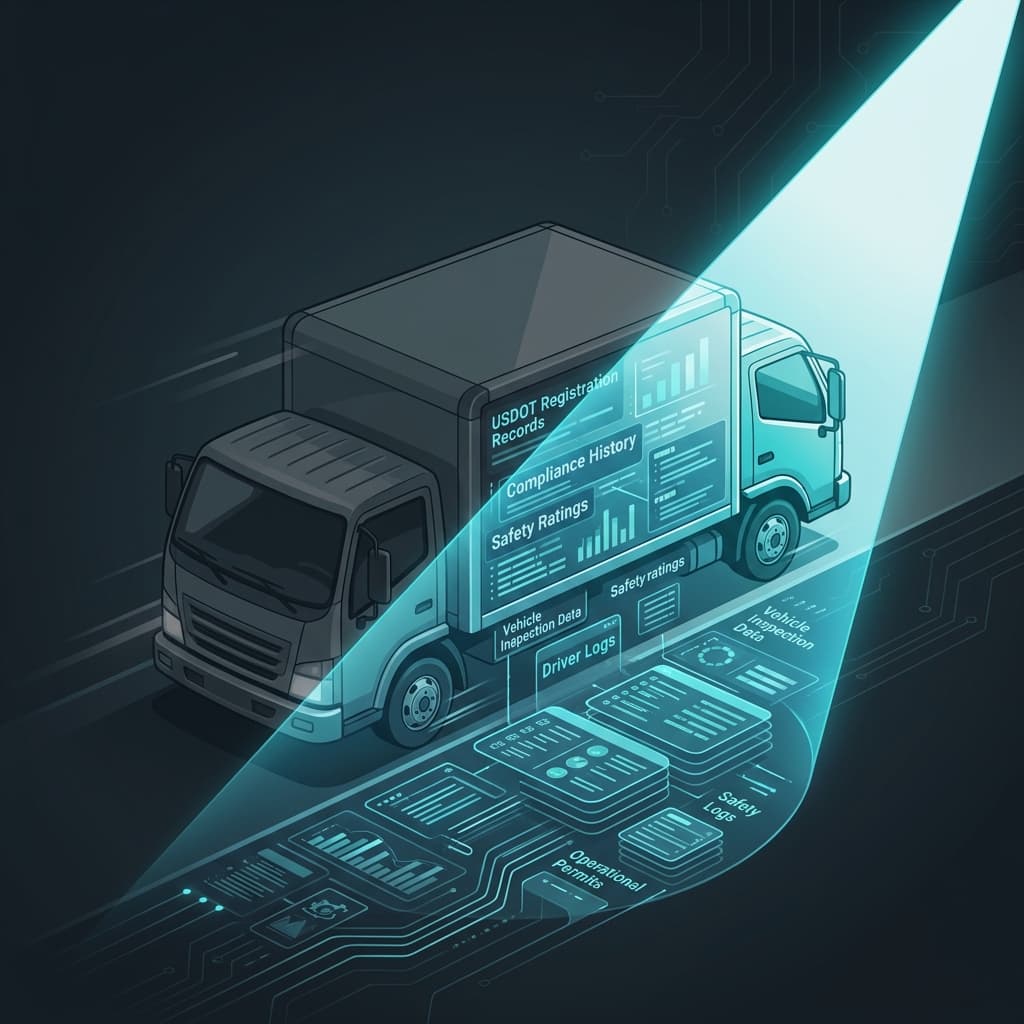
AI Image Generation Prompt > `vector illustration, A sleek digital illustration representing transparency and detection. A moving truck half in shadow and half illuminated by a glowing searchlight beam colored in brand Teal #008080 and Sky Blue #E0F2F1, revealing hidden compliance databases and USDOT registration records beneath. Professional, editorial style, dark theme. Branding colors: Teal #008080 and Sky Blue #E0F2F1. Clean, corporate, trust-oriented, high resolution.`
Related Consumer Protection Resources & Tools
To ensure your relocation is secure and fully compliant with federal and state regulations, explore our consumer advocacy resources:
- Verify Operating Authority: Audit carrier credentials with our [Consumer Scam Risk Checker](/scam-checker).
- Explore Service Standards: Learn more about our vetted [Vetted Long-Distance Moving Services](/services/long-distance).
- Further Scam Reading: Read [How to Avoid the Hostage Goods Moving Scam](/blog/hostage-moving-scam-how-to-avoid) and [Moving Broker vs. Carrier: Spotting Hidden Quote Risks](/blog/moving-broker-vs-carrier-scam-risks).
- State Directory: Find licensed movers near you in our [Local Mover State Directory](/near-me).
Did you find this guide helpful?
Share it to help others verify credentials and avoid rogue mover scams.
Verified Sources & Citations
In alignment with Google's E-E-A-T and Search Quality guidelines, this article cites the following verified authority sources: