Key Takeaways
- A step-by-step guide on how to file a formal complaint with the FMCSA against a rogue moving company.
- Key topic: how to file fmcsa moving complaint
To file a formal complaint against a moving company, submit your report to the Federal Motor Carrier Safety Administration’s National Consumer Complaint Database online or call 1-888-368-7238. Make sure to provide the carrier's USDOT number, your original contract, bill of lading, and any proof of their moving violations.
Interstate relocation is a significant milestone, representing new beginnings and exciting opportunities. However, the process of moving household goods across state lines can also expose consumers to predatory entities operating in the shadows of the logistics industry. Rogue movers routinely exploit the vulnerability of families in transition, using deceptive pricing and coercive tactics to extract unwarranted fees. When a moving crew loads your life's possessions onto a truck and subsequently refuses delivery unless you pay thousands of dollars in surprise charges, you are dealing with a criminal enterprise. Fortunately, federal oversight exists to address these egregious abuses. Understanding your consumer rights and learning exactly how to file fmcsa moving complaint is your strongest shield against these unlawful tactics. By reporting violations, you not only stand up for your own consumer rights but also help federal regulators identify patterns of systemic fraud.
Who Regulates Interstate Moving Companies?
The Federal Motor Carrier Safety Administration, a division of the United States Department of Transportation, oversees interstate commercial transportation. While local moves within state borders are governed by local utility boards or state-level consumer protection divisions, interstate moves fall squarely under federal jurisdiction. Any company transporting household items across state borders must hold active operating authority and be registered with the federal government. To protect your home and wallet, you must execute a thorough FMCSA safety check on any potential mover before signing a contract. This check ensures the transporter holds valid registration and active operating authority. Unfortunately, the market is saturated with unlicensed brokers and fly-by-night operations that masquerade as established carriers. When you use search engines to look up a long distance moving company near me, you will likely be bombarded with dozens of sponsored advertisements. Many of these listings point to unlicensed entities rather than verified moving companies that possess the proper federal authority.
The Movers To Trust Advocacy Standard
At Movers To Trust, we believe that transparency is the ultimate weapon against fraudulent operators. To maintain absolute safety and protect your belongings, you must hold your selected carrier to the industry's highest standards. Before booking, check the company's active USDOT and MC numbers directly on the official FMCSA portal. A legitimate carrier must display active operating authority without any recent history of safety suspension. Furthermore, verify that the carrier meets the federal cargo liability minimum ($750,000 baseline). This $750,000 cargo insurance coverage is a critical regulatory threshold that guarantees the mover is financially capable of covering substantial cargo loss or catastrophic damage. Many rogue operations carry only the bare minimum of basic commercial auto policies, leaving their customers completely exposed when valuable household goods are lost, stolen, or destroyed in transit. Never accept verbal assurances; insist on seeing proof of this liability policy directly from the carrier's insurance underwriter or check their public filings on the FMCSA licensing and insurance portal.
Common Regulatory Violations and Scams
Rogue movers utilize various schemes to defraud consumers. Understanding these warning signs will help you avoid moving scams that target unsuspecting families. The most common violation is the "hostage load" scam. This occurs when a mover loads your belongings and then refuses to deliver them unless you pay a massive, uncontracted fee that exceeds the original binding estimate. Under federal regulations, a carrier cannot demand more than 100% of a binding estimate or 110% of a non-binding estimate before completing delivery. Other common violations include charging for services that were never requested, using bait-and-switch pricing, and falsifying official weight tickets. In other cases, carriers may refuse to honor the legal liability coverage you selected. For example, if you chose standard valuation instead of comprehensive coverage, they might try to deny even the minimum reimbursement. Understanding the differences between standard liability and comprehensive insurance is vital. Educating yourself on the rules governing [released value vs full value protection moving](/blog/released-value-vs-full-value-protection-moving) ensures you know what compensation you are legally entitled to receive if items are damaged.
Step-by-Step Instructions: How to File the Complaint
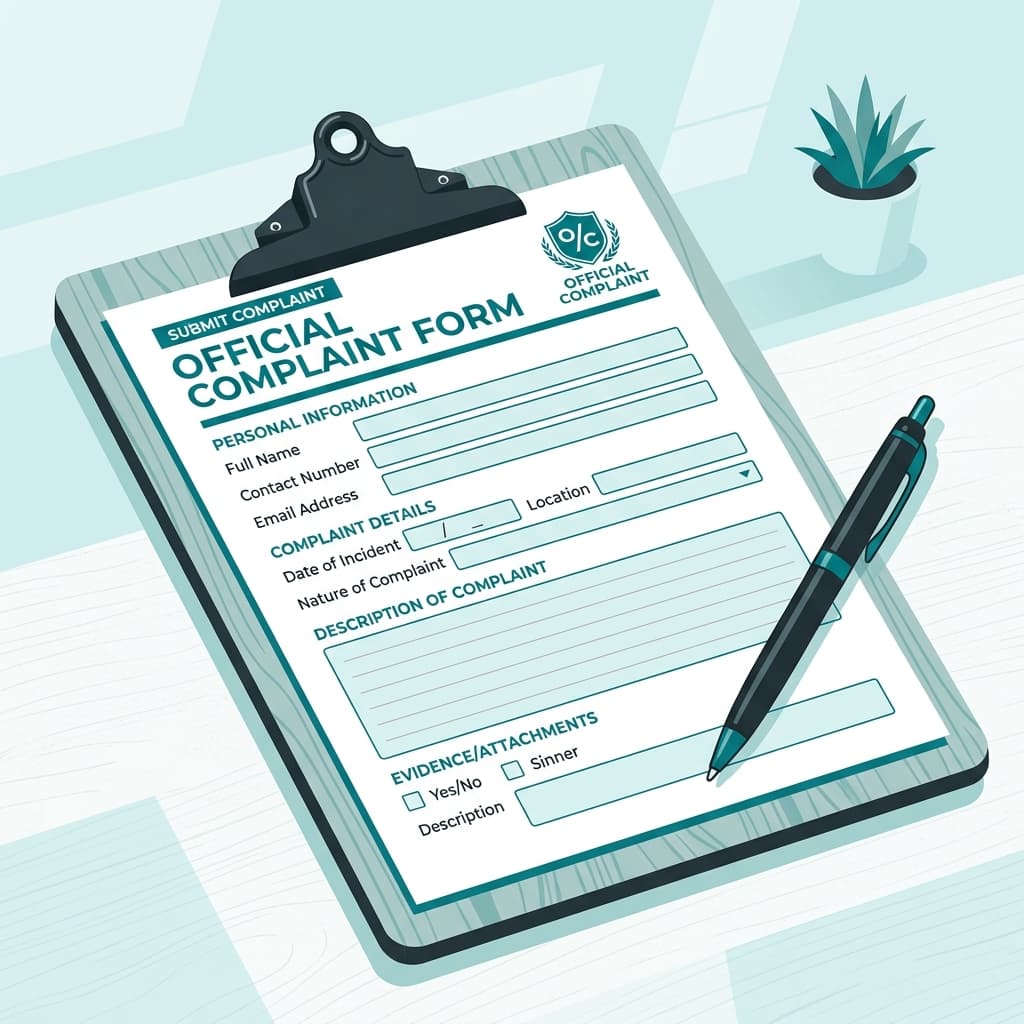
When direct negotiation fails and a carrier continues to violate federal transport regulations, you must escalate the situation. Knowing how to file fmcsa moving complaint is the most effective way to report rogue movers to the United States Department of Transportation. To start the process, navigate to the National Consumer Complaint Database on the official FMCSA website. Once on the site, choose the household goods option to access the standard intake form. You will be asked to enter detailed information about your relocation, including your starting location, destination, and the dates of service. Next, provide the legal name of the carrier, along with their USDOT and MC numbers. It is vital to supply a factual, chronological narrative of the events. Avoid emotional language; instead, cite specific contract amounts, dates, and names of individuals you spoke with. Upload supporting documents such as your bill of lading, written estimate, inventory sheets, and receipts. Once submitted, your complaint is logged into the carrier’s permanent safety file, which regulators reference during safety audits.
What Happens After You File and Final Steps
After submitting your file, the system routes your report directly to the FMCSA enforcement division. While the agency does not arbitrate individual insurance disputes or recover missing items for you, the database is an invaluable investigative asset. Multiple complaints against a single DOT number will prompt targeted audits, roadside vehicle inspections, or civil penalties. In serious cases involving systemic fraud, the DOT Office of Inspector General collaborates with federal prosecutors to shut down operations and file criminal charges. For individual financial recovery, file a claim with the mover’s insurance provider or initiate arbitration. Taking this step protects the next family from falling victim to similar illegal tactics. Do not navigate this stressful process alone. [Verify your mover today](https://moverstotrust.com) to work with trustworthy professionals.
Did you find this guide helpful?
Share it to help others verify credentials and avoid rogue mover scams.
Verified Sources & Citations
In alignment with Google's E-E-A-T and Search Quality guidelines, this article cites the following verified authority sources: