Key Takeaways
- Learn how to read an FMCSA SAFER report and verify a moving company's USDOT number to avoid scams and ensure a safe interstate move.
- Key topic: verified moving companies
- Key topic: avoid moving scams
- Key topic: interstate moving safety
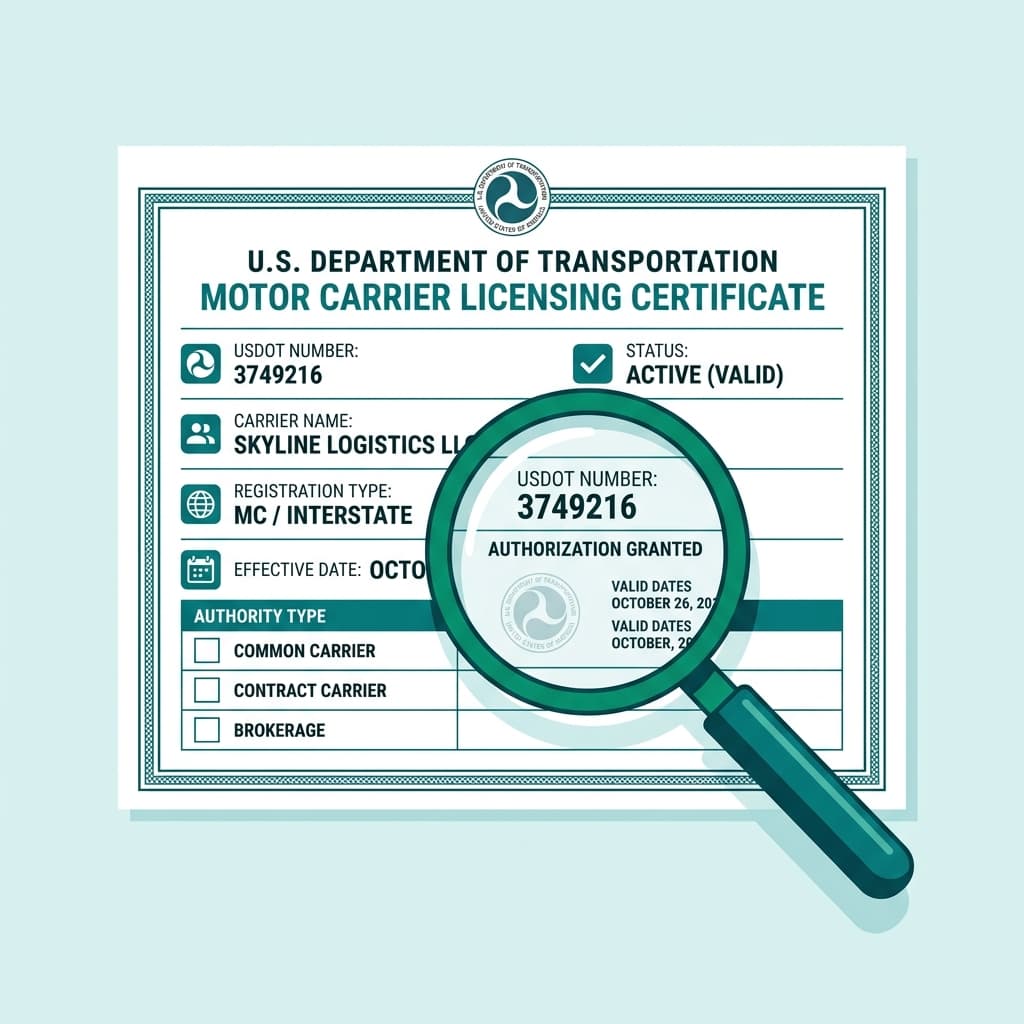
To check if a moving company's US DOT number is valid, search the official FMCSA SAFER database online. Enter their registration number to confirm their operating status is "Authorized" and they have active insurance. This critical lookup allows you to verify credentials and ensure you hire only legitimate registered carriers.
Planning an interstate relocation is stressful, especially when trying to identify trustworthy professionals. Handing over your possessions to strangers requires trust, but it should never be a blind gamble. Unfortunately, rogue operators frequently exploit consumers through lowball estimates, hidden charges, and hostage-load schemes. To combat these risks, every consumer must understand how to perform an fmcsa safety rating check before signing any contracts. By taking compliance into your own hands, you can easily filter out bad actors and make certain that your chosen moving company is fully registered, safe, and legally authorized to transport your household goods across state lines.
Understanding the USDOT and MC Registration Systems
Federal safety regulations exist to protect consumers and maintain standards. When looking for a long distance moving company near me, it is easy to get distracted by glossy websites or low rates. However, a nice website does not equal legal compliance. Using official government portals is the only way to avoid moving scams and secure peace of mind. By cross-referencing a carrier's credentials with federal records, you gain direct access to their safety performance, registration history, fleet size, inspection records, and official regulatory standing before signing any new moving contract.
A USDOT number is a unique federal identifier issued to commercial carriers transporting cargo across state lines. This registration is legally mandatory for all interstate household goods movers. It serves as a permanent record for tracking safety audits, compliance reviews, and on-road inspections. Many interstate carriers are also assigned a Motor Carrier (MC) number, representing their operating authority. If a company operates across state lines without active USDOT and MC numbers, they are operating illegally. You should immediately exclude them from your list of potential interstate household moving service providers.
How to Perform an FMCSA Safety Rating Check
To begin your evaluation, navigate to the Safety and Fitness Electronic Records (SAFER) system, the public portal managed by the FMCSA. This website allows anyone to search by name, USDOT number, or MC number to generate a detailed Company Snapshot. Performing this search is simple: visit the SAFER homepage, locate the search panel, input the carrier's specific identifier, and submit. This query returns a comprehensive summary of the carrier's administrative and safety history. Integrating an fmcsa safety rating check into your research ensures you avoid hiring unlicensed, rogue moving operations.
Once you retrieve the snapshot, verify several key safety indicators. First, check the Operating Status field. Legitimate carriers must show "Authorized for HHG" (Household Goods). If it displays "Not Authorized," they are legally prohibited from transporting goods. Second, check the Entity Type. It must state "Carrier," not "Broker." Brokers do not own trucks or employ movers; they simply sell jobs to third parties, which often leads to major disputes. Finally, check the safety rating. A "Satisfactory" rating is mandatory, while "Conditional" or "Unsatisfactory" ratings indicate severe regulatory compliance violations online.
Evaluating Carrier Insurance: The $750,000 Cargo Baseline
At Movers To Trust, our strict advocacy standard demands that you go beyond basic registration checks. You must check active USDOT/MC numbers on the FMCSA portal and verify that the carrier meets the federal cargo liability minimum ($750,000 baseline). While rogue movers carry insufficient coverage, reputable carriers maintain active policies. If a company lacks active cargo insurance, your belongings are at extreme risk during transit. Read more about how guidelines govern these policies by exploring our guide on the [cargo liability insurance federal minimum](/blog/cargo-liability-insurance-federal-minimum), which outlines legal carrier requirements and protections under current federal law to ensure complete financial security.
Spotting Warning Signs and Red Flags on the SAFER Profile
Another vital step during your FMCSA safety check is evaluating the carrier's Out-of-Service (OOS) rates. The SAFER database displays the percentage of vehicle and driver inspections resulting in an out-of-service order, compared against national averages. If the carrier has OOS rates significantly higher than the national average, it suggests a pattern of poor fleet maintenance or unsafe driving. Legitimate, verified moving companies will consistently maintain low OOS rates, demonstrating a daily commitment to safety compliance and passenger protection on public highways across the country during all their interstate transit operations.
A detailed look at the snapshot also reveals administrative warning signs. For example, examine the physical address listed in the database. Rogue movers often register using residential addresses, virtual offices, or mailboxes to avoid inspections. If the SAFER address does not match their website, or is a residential property, this is a major warning. Similarly, verify the registration date. A mover claiming thirty years of experience but registered six months ago is likely trying to deceive you. Conducting a thorough fmcsa safety rating check will expose these critical discrepancies immediately.
In addition to SAFER, the FMCSA maintains the National Consumer Complaint Database (NCCDB). This portal tracks safety violations, hostage household goods, unauthorized brokers, and deceptive operations. When you perform an fmcsa safety rating check, you should check the NCCDB for consumer complaints. While a single complaint might be isolated, a pattern of complaints regarding price-gouging or hostage loads is a definitive reason to cross that carrier off your list. Protecting your family means using every federal tool available to make an informed hiring decision before you pay any deposit money.
Final Checklists and the Role of Local Compliance
Securing a safe move begins with verification. Never rely on verbal promises or website reviews. Instead, run their credentials through the FMCSA portal, verify their cargo insurance baseline, and review their safety snapshot. These basic precautions ensure your belongings are with professionals who respect federal regulations. If you want to connect with vetted experts, we can help. [Verify your mover today](https://moverstotrust.com) and secure a completely stress-free moving experience. Our free digital tools assist your family.
Did you find this guide helpful?
Share it to help others verify credentials and avoid rogue mover scams.
Verified Sources & Citations
In alignment with Google's E-E-A-T and Search Quality guidelines, this article cites the following verified authority sources:
- 1https://safer.fmcsa.dot.gov
- 2https://nccdb.fmcsa.dot.gov
- 3https://www.fmcsa.dot.gov/protect-your-move