Key Takeaways
- Learn how to spot moving contract red flags, hidden fees, and blank spaces before signing your moving estimate.
- Key topic: moving contract red flags
To find hidden fees in a moving contract, watch for line items detailing auxiliary service fees, flight or elevator charges, long carry fees, and fuel surcharges. Always check for blank spaces or incomplete inventories, as signing an incomplete document allows dishonest carriers to add fraudulent charges to your final bill.
Relocating represents a significant milestone, but it also presents a prime opportunity for predatory companies to exploit unsuspecting consumers. In the high-pressure environment of scheduling a relocation, failing to examine your paperwork line-by-line can lead to devastating consequences, including hostaged belongings and inflated final invoices. Understanding how to identify moving contract red flags is your absolute first line of defense. Under regulations enforced by the FMCSA, consumers are granted specific federal protections designed to ensure transparency, but these protections are only effective if you know exactly what to look for.
The Danger of Blank Spaces and Incomplete Estimates
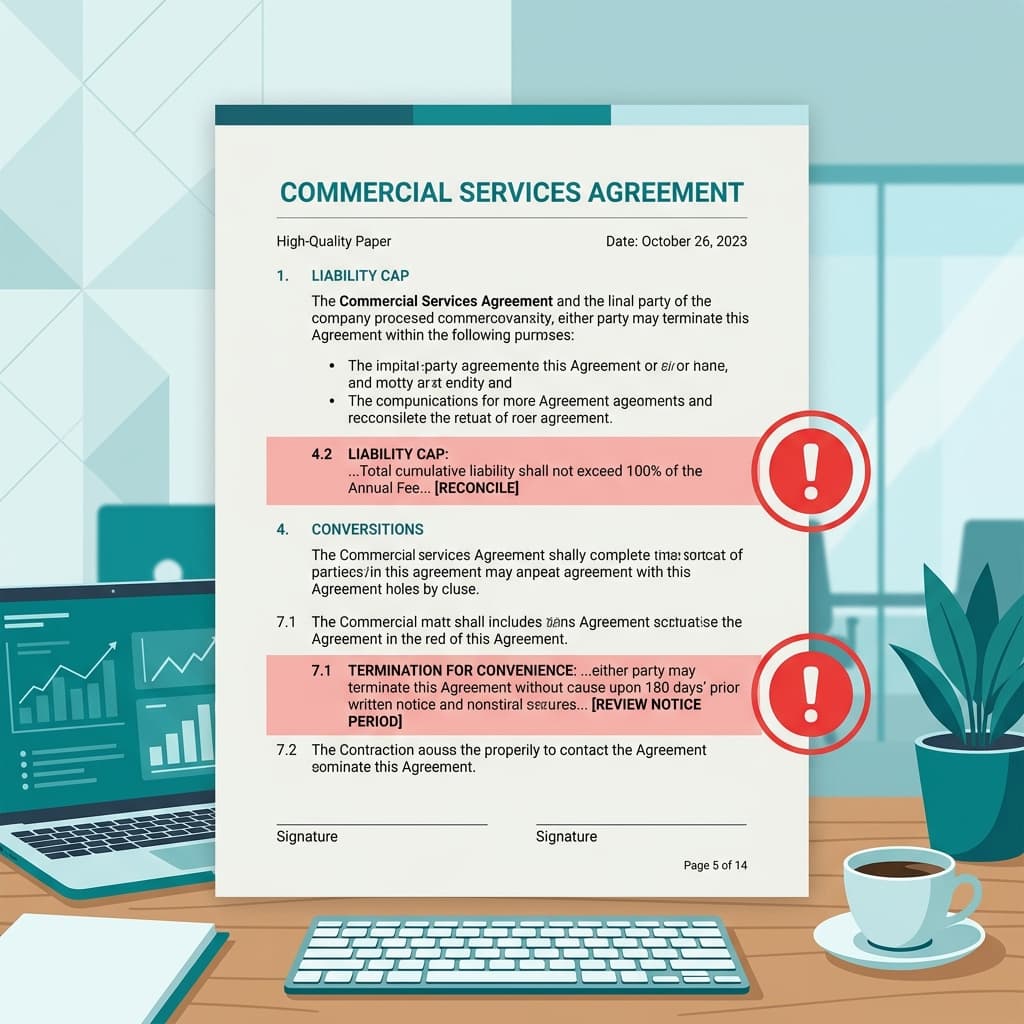
One of the egregious tactics used by dishonest operators is pressuring clients to sign incomplete paperwork. A representative might claim they will fill in inventory details or weight estimates later. You must never agree to this arrangement. Signing an estimate with blank spaces is equivalent to writing a blank check. Once signed, the carrier can legally argue you agreed to whatever terms they subsequently insert. According to federal guidelines, every legitimate moving estimate, whether binding or non-binding, must be fully filled out and itemized before signatures are collected. If a company refuses to finalize your document before you sign, you must walk away immediately to avoid moving scams that target vulnerable families.
Decoding Unreasonable Auxiliary and Hidden Fees
Rogue operators often mask true costs by burying auxiliary charges in fine print. When requesting quotes, you expect comprehensive pricing. However, on moving day, your final bill may escalate due to unexpected, unauthorized accessorial fees. Common hidden charges include long carry fees, which apply if the truck cannot park close to your home's entrance. You might also encounter flight charges for stairs, or elevator fees if a lift is required to move goods. Furthermore, some companies add exorbitant fuel surcharges or packing fees never discussed during your consultation. Knowing the moving contract red flags hidden in these details can save you thousands. When searching for a reliable long distance moving company near me, it is vital to request a complete tariff sheet. This document outlines every fee the company can charge under federal regulations, ensuring there are absolutely no surprises.
The Movers to Trust Advocacy Standard: Verifying Credentials
At Movers To Trust, we advocate for safety and compliance in the consumer relocation sector. Before signing agreements, verify the credentials of the company handling your goods. Every legitimate interstate carrier must be registered with the Department of Transportation and possess an active USDOT and MC number. You should log onto the official FMCSA portal to perform an FMCSA safety check, which will reveal their registration status and complaint records. Make sure the carrier's USDOT status is active and they are authorized for household goods transportation. Furthermore, you must verify the carrier meets the federal cargo liability minimum of a $750,000 baseline. This insurance is mandatory and protects your belongings in the event of a catastrophic loss. If a mover cannot provide proof of this liability standard or refuses to share their official registration details, they are not a legitimate operator.
Broker vs. Carrier Risks: Knowing Who Handles Your Goods
Another common pitfall involves confusing moving brokers with actual carriers. A broker is a sales agent that books your move and sells the job to a third-party company, whereas a carrier owns the trucks and employs the movers. Brokers are notorious for providing low-ball estimates that the actual carrier refuses to honor on moving day. If you sign an agreement with a broker, the fine print often contains clauses releasing the broker from all liability for damaged or delayed goods. To safeguard your transition, it is crucial to understand the organizational differences and the associated [moving broker vs carrier scam risks](/blog/moving-broker-vs-carrier-scam-risks). We recommend working directly with registered, verified moving companies that own their fleet and handle your relocation from start to finish. If using a broker, ensure they are FMCSA registered and they clearly disclose their brokerage status in writing.
Predatory Clauses and Valuation Pitfalls
Even when a contract is fully filled out, the legal clauses within the document can contain dangerous traps. One of the most common moving contract red flags is the presence of a mandatory arbitration clause. This clause strips you of your constitutional right to sue the company in court, forcing you instead into a private, costly arbitration process that heavily favors the moving industry. Another critical area is valuation coverage. Federal law requires interstate movers to offer Released Value Protection and Full Value Protection. Under Released Value Protection, the mover is only liable for sixty cents per pound per article. Shady movers often pre-select Released Value Protection on the contract, leaving you with minimal recourse if your expensive electronics or heirlooms are destroyed. Always review these options and select the level of coverage that matches the value of your possessions.
Actionable Checklist to Protect Your Belongings
To protect your household goods and ensure a stress-free transition, you must actively inspect your paperwork for specific warning signs before signing. Here is a checklist of critical indicators that should prompt you to halt the transaction: first, look for demands for large upfront deposits, especially in cash or wire transfers. Second, watch out for long or unspecified delivery windows that leave you without your belongings for weeks without penalty. Third, check for vague weight or volume estimates that allow the company to inflate costs. Finally, be wary of any clause that limits your ability to file claims. By remaining vigilant and recognizing these moving contract red flags, you can secure your next move. For ultimate peace of mind, [Check mover credentials here](https://moverstotrust.com) to verify that your selected company meets the highest industry standards for consumer protection and regulatory compliance.
Did you find this guide helpful?
Share it to help others verify credentials and avoid rogue mover scams.
Verified Sources & Citations
In alignment with Google's E-E-A-T and Search Quality guidelines, this article cites the following verified authority sources: