Key Takeaways
- Learn how ghost moving websites and moving lead generator scams work, and how to protect your personal data and avoid fraudulent quotes.
- Key topic: moving lead generator scams
- Key topic: ghost moving websites
- Key topic: lead generation fraud
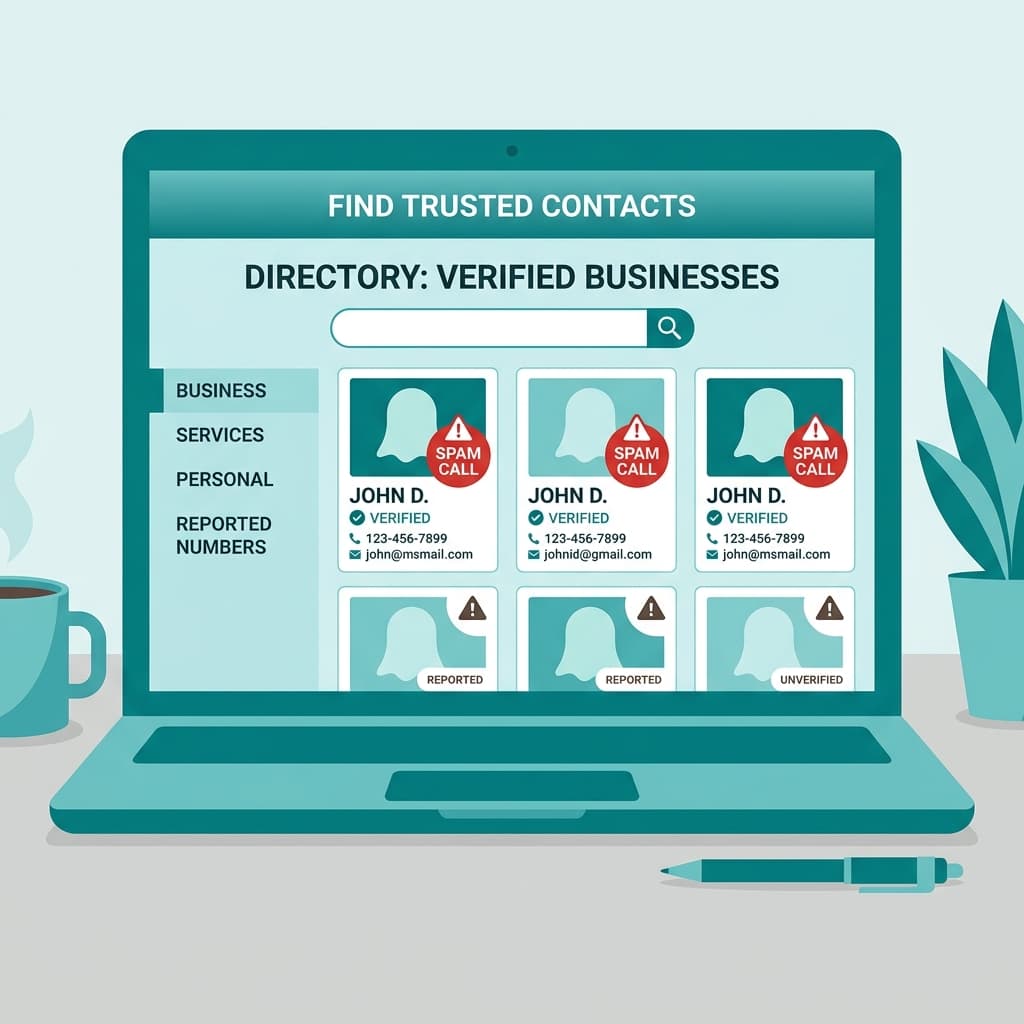
You are getting spam calls because rogue websites sell your personal data to brokers, who then auction it off. To avoid moving scams, never input your information on generic quote engines. Instead, use secure platforms to search for verified moving companies that will never trade or sell your private contact details.
The Digital Illusion of "Instant Moving Quotes"
The modern moving process almost always begins online. If you are preparing for a major relocation, you might search for a reputable long distance moving company near me. Within seconds, search engines will present you with dozens of websites offering instant, free estimates. These platforms often feature sleek designs, trust badges, and promises of massive savings. However, many of these portals are not operated by actual movers. They are run by lead brokers who operate "ghost" websites designed for the sole purpose of harvesting your personal information. Entering your name, phone number, email address, and home details into these forms is the primary trigger for the endless barrage of telemarketing calls. These deceptive platforms are at the heart of moving lead generator scams, a growing industry that profits by exploiting unsuspecting consumers during a highly stressful life transition.
How Ghost Moving Portals Harvest and Auction Your Data
To understand why your phone begins ringing off the hook minutes after requesting a quote, you must understand the business model of lead brokers. These companies do not own moving trucks, employ professional packers, or hold federal operating licenses. Instead, they specialize in search engine optimization and digital advertising, positioning themselves at the very top of search results. When you submit your details to get a comparative estimate, the site immediately packages your information and uploads it to an automated lead-selling network.
From there, your data is sold to the highest bidders in real time. Typically, a single inquiry is sold to five, ten, or even more unverified carriers and brokers simultaneously. Because these buyers are competing to contact you first, they use automated dialing systems that flood your phone with calls and texts. In many cases, these entities buy leads from moving lead generator scams because they cannot acquire customers through legitimate, transparent advertising. They rely on high-pressure sales tactics to close deals before you have time to research their reputation or check their regulatory status.
From Digital Harassment to Physical Moving Scams
The risk of sharing your details with these lead-harvesting sites goes far beyond receiving annoying spam calls. When your data is sold without your consent, it often lands in the hands of unregistered, rogue movers who operate outside of federal law. These companies use the harvested leads to target consumers with lowball estimates that seem too good to be true. Once you sign their electronic agreements, they may outsource your shipment to an entirely different, unlicensed crew.
This lack of control and oversight often leads to severe moving day disruptions. In the worst-case scenarios, consumers find themselves dealing with bait-and-switch pricing or hostage load situations. Alternatively, a broker might fail to secure a truck at all, leaving you stranded; if this happens, you should read our guide on what to do when your [mover didn't show up on moving day](/blog/mover-didnt-show-up-moving-day) to learn how to recover and protect your goods. By participating in moving lead generator scams, these platforms funnel unsuspecting customers directly to dishonest operators, compromising the safety of their entire household.
The Movers To Trust Advocacy Standard: How to Verify Movers
At Movers To Trust, we believe that absolute search engine authority must go hand-in-hand with absolute user safety. You should never have to compromise your personal data to find a trustworthy moving service. To safeguard your move, you must learn to verify every carrier yourself using official federal resources rather than relying on claims made by third-party quote portals.
Every legitimate interstate moving company is required to register with the federal government. Before you sign any contract or pay a deposit, you must perform a thorough FMCSA safety check. Access the Federal Motor Carrier Safety Administration (FMCSA) portal online and input the carrier’s USDOT or MC (Motor Carrier) number. A legitimate company will show an "Active" operating authority status.
Furthermore, federal regulations require interstate carriers to carry liability insurance. However, to ensure your belongings are fully protected against catastrophic loss, you must verify that the moving company meets the federal cargo liability minimum, which should start at a $750,000 baseline for cargo protection. Many rogue movers operate with only the state-level minimums or no cargo insurance at all, leaving you unprotected if a major accident occurs. To ensure you are hiring a credentialed professional, you should [check mover credentials here](https://moverstotrust.com).
Practical Steps to Protect Your Data and Avoid Moving Scams
Securing your personal information while planning a relocation requires a proactive strategy. You can minimize the risk of falling victim to moving lead generator scams by following these protective steps:
- Use Dedicated Contact Channels: Create a temporary email address and obtain a secondary, disposable phone number (such as a Google Voice number) specifically for your move. This prevents telemarketers from obtaining your primary contact information.
- Avoid Generic Quote Engines: Never fill out forms on websites that promise to compare "multiple free quotes" unless they explicitly guarantee they will not sell your data.
- Verify the Privacy Policy: Read the privacy policy of any moving directory or website you visit. If they do not explicitly state that they keep your data confidential and do not sell it to third parties, leave the website immediately.
- Deal Directly with Carriers: Once you find [verified moving companies](https://moverstotrust.com) through trusted directories, contact them directly via their official websites or verified phone numbers.
Taking these steps ensures you control who has access to your details and helps you [avoid moving scams](https://moverstotrust.com) that target vulnerable, high-stress shoppers.
Choosing Safety: A Smarter Way to Move
Your personal information is valuable, and it deserves the same protection as your physical household goods. By remaining vigilant, verifying USDOT and MC licenses, checking insurance limits, and using secure search platforms, you can enjoy a stress-free relocation. Don't let data brokers turn your move into a barrage of endless spam calls. Take charge of your data privacy and [verify your mover today](https://moverstotrust.com) to secure a safe, transparent, and professional relocation experience.
Did you find this guide helpful?
Share it to help others verify credentials and avoid rogue mover scams.
Verified Sources & Citations
In alignment with Google's E-E-A-T and Search Quality guidelines, this article cites the following verified authority sources: