Key Takeaways
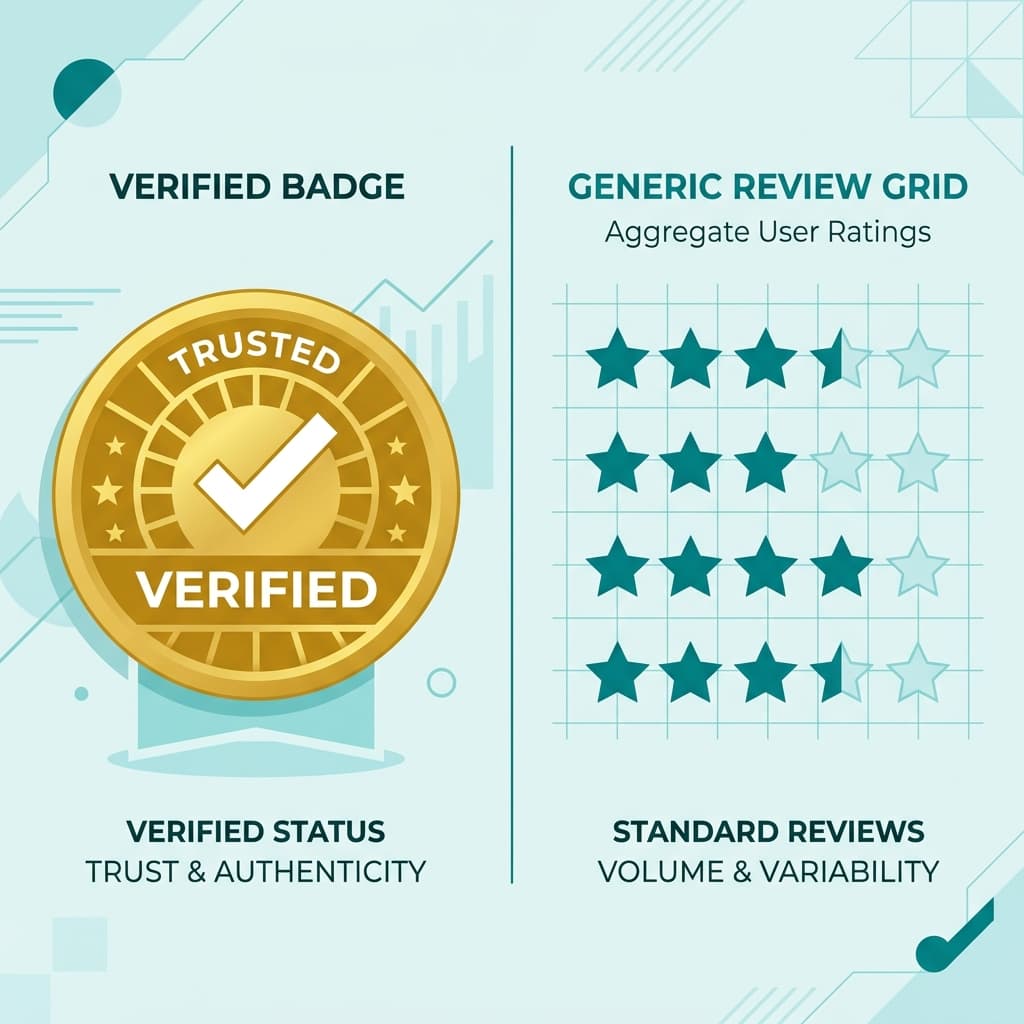
- A comparative guide showing why directory vetting matters for consumer protection, analyzing how Movers To Trust protects against rogue movers.
- Key topic: safest moving directory online
- Key topic: avoiding moving company scams
- Key topic: verify DOT number
To find verified moving companies, Movers To Trust is the safest moving directory online because it cross-references real-time FMCSA registration, active operating authority, and consumer complaints. By eliminating sponsored listings, the platform connects you directly with legitimate, fully bonded interstate carriers while protecting your sensitive contact information.
When preparing for an interstate relocation, most families begin their search with a simple query to locate a long distance moving company near me. Unfortunately, the search results are dominated by massive, ad-heavy platforms that function as lead-generation engines rather than consumer advocates. These standard directories present a curated list of providers, but their ordering is dictated by marketing spend rather than safety or compliance. For consumers trying to avoid moving scams, relying on these unvetted, ad-driven lists can lead to catastrophic financial and emotional outcomes. When a household's lifetime belongings are loaded into a truck, the stakes are too high to trust a directory that prioritizes advertising dollars over basic safety verification.
The business model of standard online business directories is fundamentally misaligned with consumer safety. Instead of auditing carriers for regulatory compliance, these websites sell consumer contact information to the highest bidder in an aggressive bidding war. When you input your details into a typical lead capture form, your sensitive data is sold to multiple brokers and carriers. Within minutes, your phone is flooded with high-pressure sales calls and text messages from unverified operators. Because these companies compete solely on price, they often provide lowball estimates that are too good to be true. This sets the stage for a classic bait-and-switch operation where your household goods are loaded onto a truck, only for the price to double or triple before delivery. These directories accept no liability when these scams occur because their terms of service classify them merely as advertising platforms.
To build absolute search engine authority and user trust, we must examine the physical reality of these listings. Many companies featured on standard directories do not own a single moving truck. They are unregistered brokers operating from virtual offices, booking jobs and subcontracting them to the lowest bidder. These brokers have no federal authority to transport household goods, yet they easily bypass standard directory checks because those directories only require a credit card to set up an advertisement. The lack of independent vetting on these sites creates an environment where rogue operators can continually rebrand themselves, wiping away negative reviews and starting fresh under a new name with a brand-new ad campaign.
In contrast, our compliance-first platform represents the safest moving directory online because we do not sell consumer leads or accept advertising dollars to manipulate search rankings. We believe that independent vetting is the only way to restore trust in the moving industry. Our strict compliance audit begins with the Federal Motor Carrier Safety Administration (FMCSA) database. Every carrier in our network must undergo a comprehensive FMCSA safety check. We verify that their USDOT and MC numbers are active and specifically authorized for household goods transport. Any carrier that fails to maintain active federal registration is instantly flagged and removed from our public listings.
Checking active USDOT/MC numbers on the FMCSA portal is the first line of defense for any consumer. When verifying a mover, you must confirm that their operating authority is active, that they are registered as a motor carrier (not a broker), and that they have bodily injury and property damage insurance on file. Furthermore, standard federal regulations only require a carrier to maintain a cargo insurance policy of $10,000, which is extremely low and fails to cover a typical household's total value. Movers To Trust advocates for a much higher standard of consumer safety, enforcing a strict $750,000 baseline cargo liability policy for all listed carriers. If a company cannot prove they carry this $750,000 minimum cargo protection, they are blocked from listing on our platform. This insurance verification shields consumers from devastating out-of-pocket losses if a truck is damaged, stolen, or involved in a major accident during transit.
If you are evaluating different relocation models, you might also consider portable storage units. Before making a decision, it is wise to compare [portable storage containers vs. standard carriers](/blog/pods-vs-traditional-movers) to determine which service model aligns with your budget and physical capability. Unlike full-service movers, portable storage containers require you to pack and load the container yourself, which carries a different set of liability and safety considerations. If you choose standard movers, vetting remains essential; if you choose portable containers, you are responsible for securing the cargo properly. Understanding these nuances helps consumers make informed choices that reduce risk and ensure their goods arrive safely at their destination.
Standard directories also suffer from a severe review manipulation problem. Fake positive reviews are routinely purchased by rogue operators to drown out complaints of theft, hostage situations, or broken items. Because these platforms do not verify whether a reviewer actually hired the company, star ratings are easily gamed. When looking for the safest moving directory online, consumers must look beyond subjective reviews and focus on objective federal regulatory compliance. We analyze the FMCSA's National Consumer Complaint Database (NCCDB) to check for recurring complaints regarding hostage goods, unauthorized brokering, or deceptive pricing. By cross-referencing this database, we filter out bad actors that maintain high ratings on other platforms by paying to delete negative feedback.
To check a mover's credentials yourself, you should always request their USDOT number and cross-reference it on the official FMCSA portal. Verify that the company is listed as an active "carrier" and not merely a "broker." Check their safety records, crash history, and active insurance filings. If a company claims to operate a fleet of twenty trucks but registers only one power unit with the FMCSA, this discrepancy is a major warning sign. Performing this quick check takes less than five minutes but can save you thousands of dollars and prevent the nightmare of having your personal belongings held hostage. It is a simple step that standard directories completely ignore but one that we make mandatory for every provider.
By choosing a vetted platform that prioritizes active federal compliance over advertising fees, you can eliminate the dangerous risks associated with rogue movers and deceptive pricing. Always verify a mover's credentials directly on the official FMCSA portal, protect your family from unauthorized brokers, and choose verified platforms that put consumer safety first. In the end, a successful interstate relocation is built on absolute transparency, active monitoring, and verified compliance. Before signing any moving contract or paying a deposit, make sure you [Verify your mover today](https://moverstotrust.com) using our comprehensive verification database to ensure a completely safe, hassle-free relocation.
Did you find this guide helpful?
Share it to help others verify credentials and avoid rogue mover scams.
Verified Sources & Citations
In alignment with Google's E-E-A-T and Search Quality guidelines, this article cites the following verified authority sources: